







Commitment to Product Quality
Deployment of TPA (Total Process Assurance) System
"TPA (Total Process Assurance) System" is a system designed to "prevent abnormalities and problems from occurring" and "to detect and prevent shipment of any issues that may arise." Focusing on six risks related to quality (foreign matter, microorganisms, formulation/allergens, dates, materials, and food defense), the entire group conducts risk reviews and improvement efforts. Furthermore, we are working towards real-time TPA (Total Process Assurance) through digitalization and data utilization.
Our group's overseas factories are also working in conjunction with global governance guidelines to establish a "TPA (Total Process Assurance) System", just as they do in Japan.
6 Risks
1. Preventing Foreign Matter from Entering
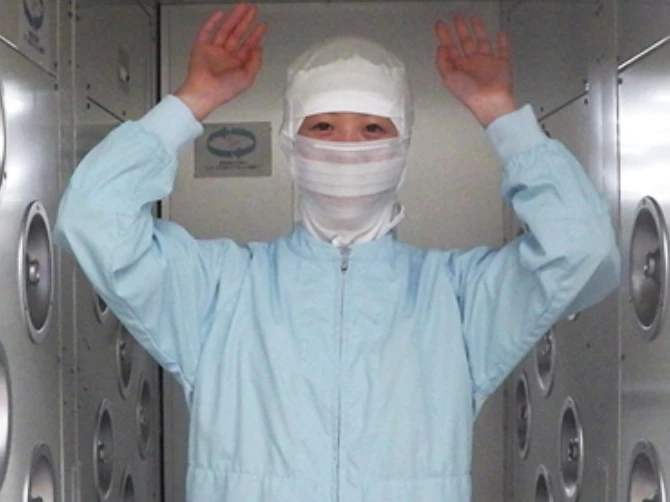
Factors that can lead to foreign matter contamination include contamination of raw materials, contamination from people (such as hair), and contamination from equipment used. We prevent foreign matter contamination by thoroughly inspecting raw materials before use, taking measures to prevent hair contamination (such as using special work clothes, air showers, and adhesive rolls), and performing regular maintenance and pre- and post-use checks on equipment.
For the final product, we install metal detectors, X-ray inspection equipment, strainers (filters), etc., to confirm that there is no foreign matter contamination.
2. Prevention of Microbial Problems
To prevent food poisoning and quality deterioration caused by microbial growth, we implement a food safety hazard prevention system called HACCP. We also follow the three principles of preventing microbial problems: "Do not let contaminate," "Do not let increase," and "Eliminate," and conduct regular inspections to confirm safety and quality.
3. Assuranced Formulation
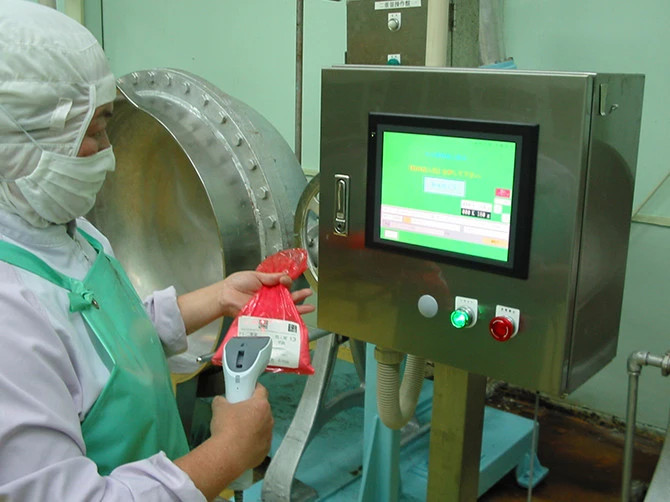
At our factory, to eliminate worker errors and anxieties and maintain quality, we have developed our own "mixing trouble prevention system." This system allows us to verify and record the type of raw material, the amount used, and the expiration date at each stage of the process, such as raw material receiving, weighing, and mixing, by scanning a 2D code.
Furthermore, by tracing these records, we can identify "what raw materials were used in that product" and "what other products use the same raw materials." At the core of our traceability system is this "system for preventing formulation problems."
4. Preventing Date-Related Problems
The expiration date (the date by which the product can be safely consumed) and the best-before date (the date by which the product tastes best) are important pieces of information that ensure product safety and allow customers to eat with peace of mind. To ensure that these dates are printed correctly and reliably, we conduct checks by humans and by inspection cameras.
5. Preventing Problems with Packaging Materials
Our manufacturing plants produce a variety of products, some of which have similar-looking packaging. Product packaging contains important information for customers to choose from, such as raw material information and allergen information, and mistakes in packaging materials can lead to serious food safety incidents. In addition to human verification, we have established systems, including camera inspections, to ensure that the materials used are correct.
6. Food Defense
We take measures to prevent intentional contamination based on the following basic principles.
- 1. Only authorized personnel are allowed inside the manufacturing area.
- 2. Prevent intentional adulteration.
- 3. It can be proven afterward that there is no problem.
- 4. Value dialogue with employees.
An Example of a Measure to Prevent Intentional Foreign Object Contamination.
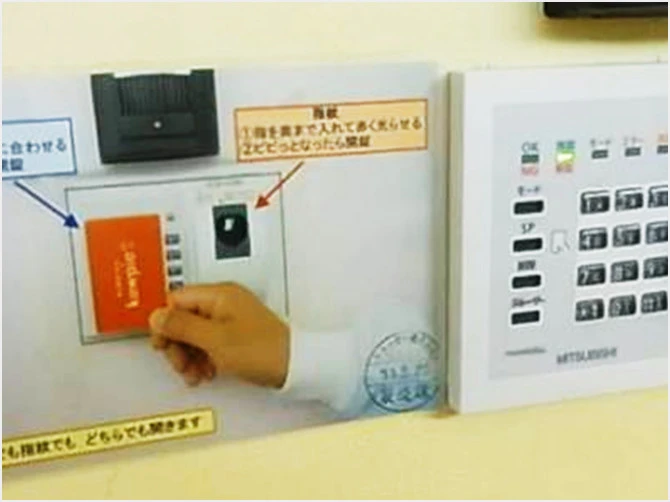
Access control to the manufacturing site
Access is managed using methods such as vein authentication and PIN codes, ensuring that only authorized personnel can enter.
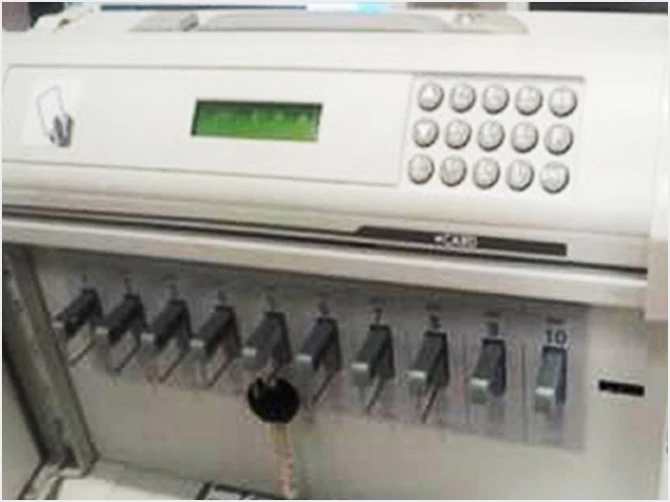
Key management for chemical storage and outdoor tanks
The key box cannot be unlocked without an employee ID. Furthermore, the system records who took the key, when, and when it was returned.
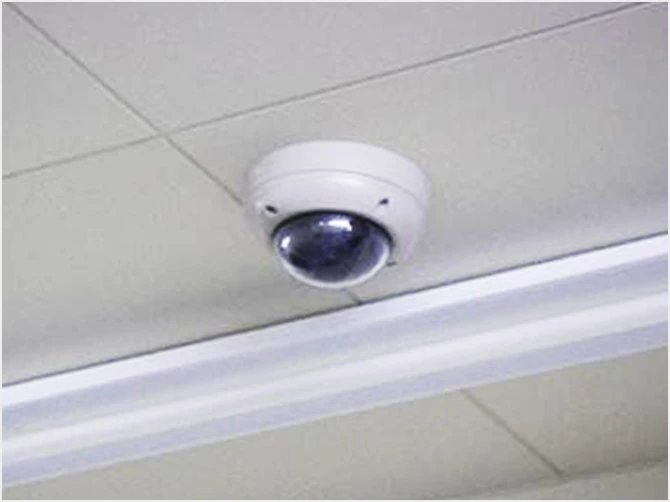
Security Camera
In the unlikely event of an unforeseen incident, we verify the manufacturing conditions at the time to ensure safety and reliability.
Mayonnaise Manufacturing Quality
To deliver delicious, safe and reliable mayonnaise, we manufacture it with meticulous attention to detail and TPA (Total Process Assurance) system in place.
-
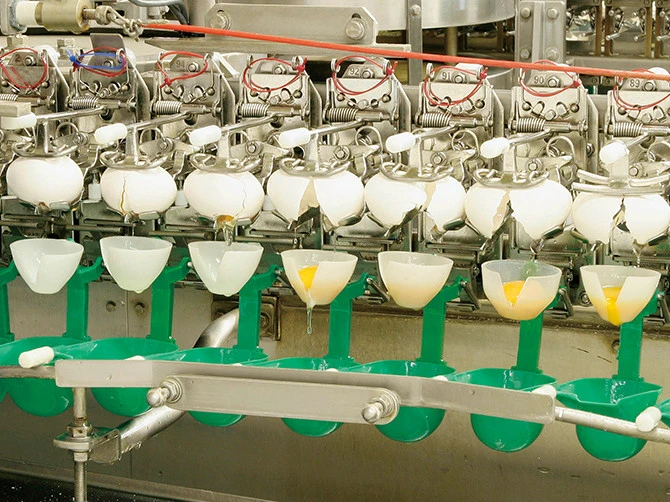
1. Breaking Eggs
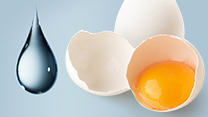
Kewpie 's unique egg-cracking machine cracks 600 eggs per minute, separating the yolks from the whites. To ensure hygienic handling of the eggs, the egg-cracking machine is stopped and washed periodically. The egg yolks are heat-sterilized at 61°C for 3.5 minutes or more. This process preserves the yolk's functions, such as emulsifying power, while ensuring safety against salmonella and avian influenza viruses.
-
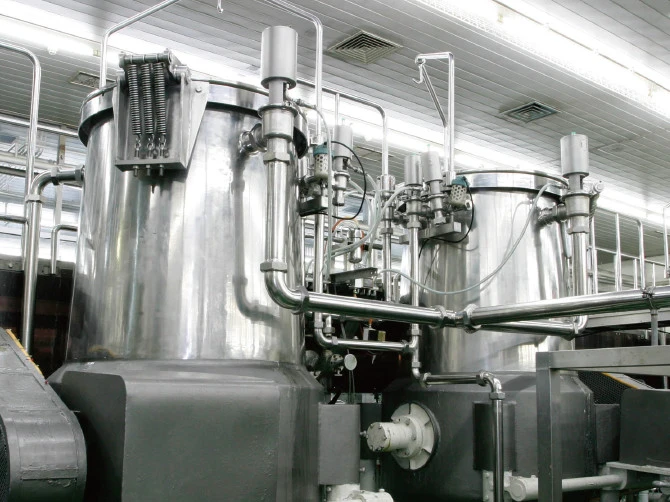
2. Mixing
Oxygen is the biggest enemy of mayonnaise. To prevent oxidation, it is emulsified in a vacuum.
The oil droplets are 2~4μm in size. The reason KEWPIE MAYONNAISE has a milder flavor than homemade mayonnaise is because these oil droplets are finer and more uniform. -
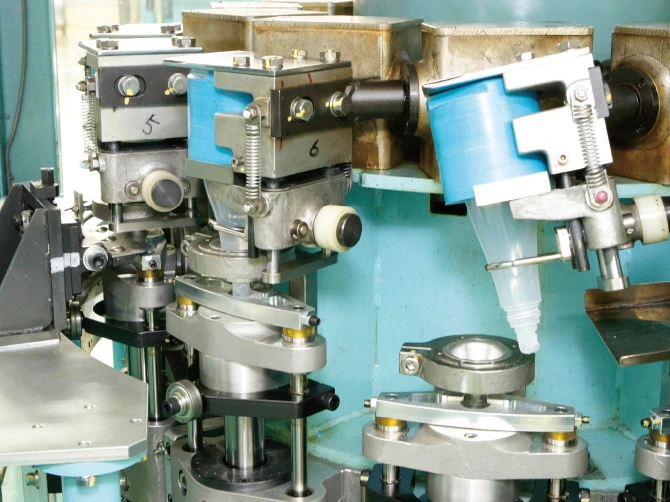
3. Cutting the Bottle Tops
The mayonnaise bottles arrive sealed, and just before filling, they are turned upside down and the tops are cut off to prevent any debris from getting inside. After the tops are cut, the production line is covered until the caps are tightened to prevent any foreign matter from getting in.
-
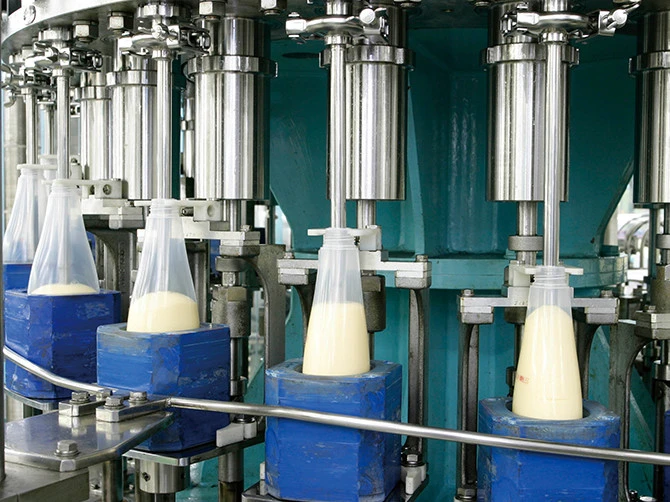
4. Filling
After filtering the mayonnaise, it is filled into bottles.
-
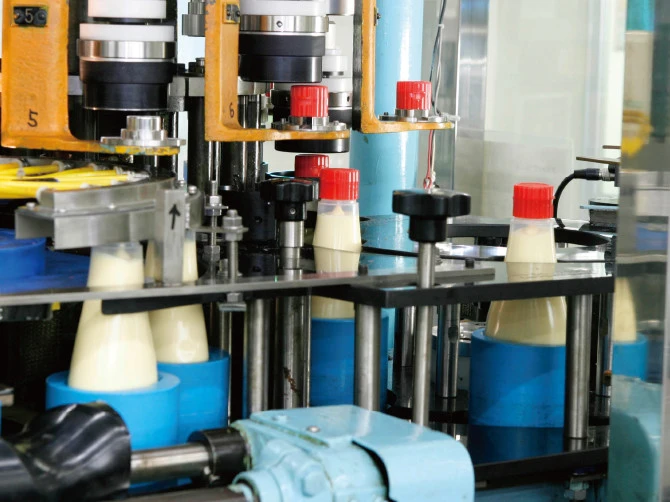
5. Capping and Printing
The mayonnaise is immediately capped after filling. At this time, the air around the opening is replaced with nitrogen to prevent oxidation. The expiration date and a symbol indicating the filling time are then printed on the cap. This allows us to determine the manufacturing date and filling time, and to investigate the manufacturing conditions at the time the product was made.
-
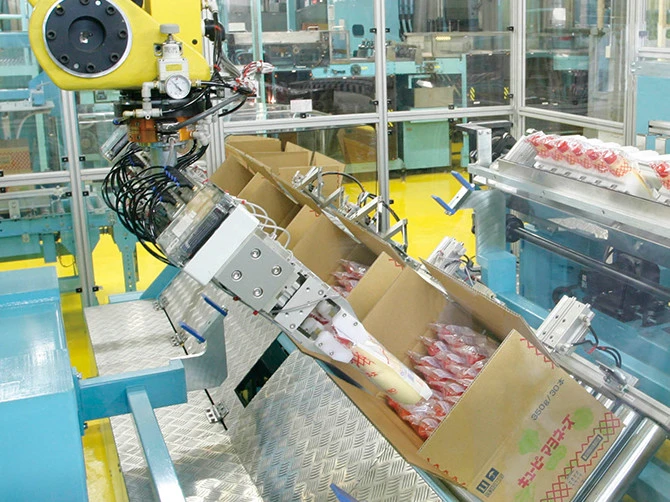
6. Packaging and Boxing
The finished products are placed in bags and then packed into boxes. At this time, the weight is measured and all boxes are checked to ensure that the specified number of items are in each box.
-
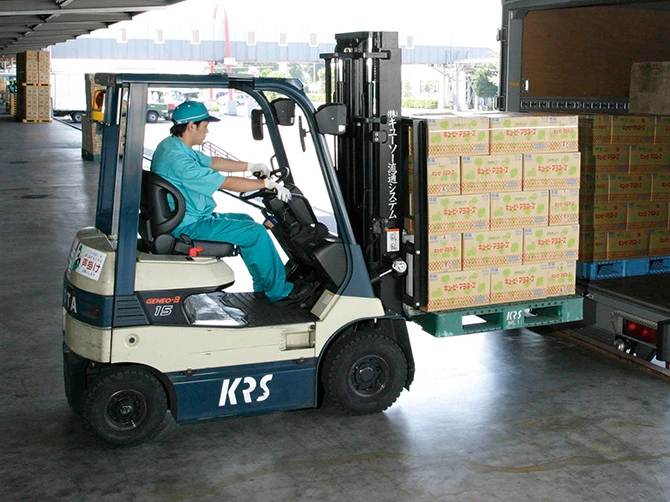
7. Shipping
We use our group's trucks to ship the goods from the factory.