






Universal Design Initiatives (Only in Japan)
Approach to Universal Design
Our commitment to universal design, which aims to make our products easy for as many people as possible to use, is also a way of realizing Kewpie Group's vision: "We aim to be a group contributing to the food culture and health of the world with 'deliciousness, kindness, and uniqueness'."
At Kewpie Group, the "Customer Feedback Committee," comprised of representatives from various departments including the Customer Service Center, discusses themes related to universal design. The results of these discussions are then considered by each department, and efforts are made to improve products based on these findings.
Kewpie's Universal Design Principles (Only in Japan)
- 1.Anyone can use the product
- 2.Users can use the product with a high degree of flexibility
- 3.Users can easily and quickly understand how to use the product
- 4.The product effectively communicates necessary information
- 5.Use of the product does not lead to accidents or hazards
- 6.The product can be used easily with little strength and without straining the user
- 7.The product provides enough space and size for easy access
- 8.The product does not harm humans
- 9.The product is environmentally friendly
- 10.The product offers outstanding convenience
Examples of Incorporating Universal Design
Designed for Ease of Use
Double Cap
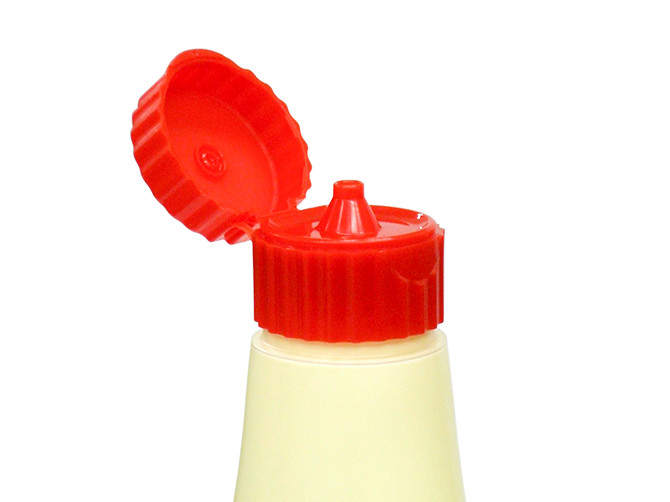
Narrow Nozzle or Star-Shaped Double Cap
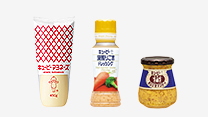
Did you know that KEWPIE MAYONNAISE lids have a double cap with a narrow opening and a star-shaped opening? When you open the top lid, you'll find the narrow opening, and when you twist off the cap, the star-shaped opening is revealed. Use the narrow opening for finishing touches on your dishes, and the star-shaped opening when you want to put on a generous amount. Take advantage of this double cap that expands the fun of cooking!
Furthermore, the cap incorporates universal design principles in many ways, such as being easy to twist without hurting your hand and being durable.

Lightweight and Easy-to-Hold Container
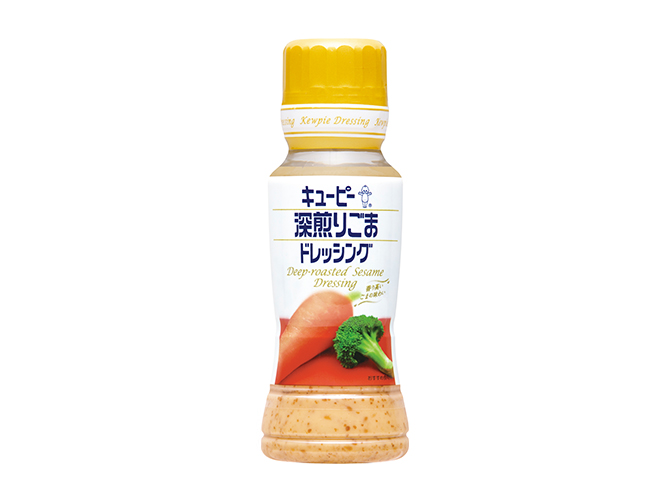
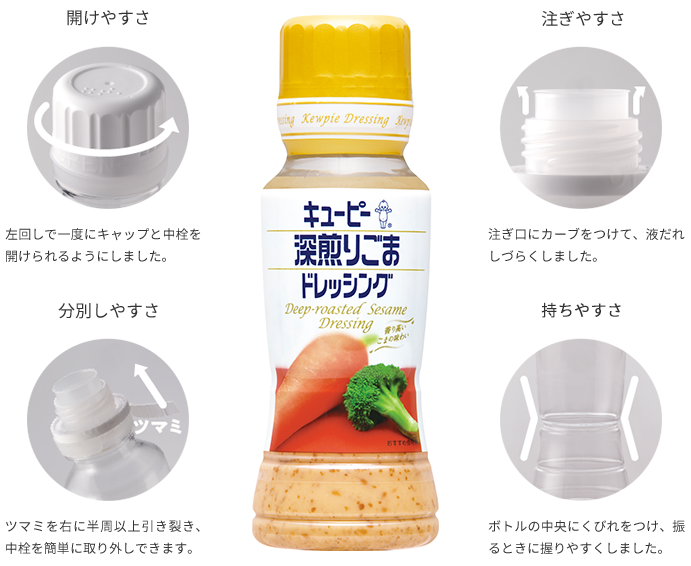
A plastic bottle designed to be lighter and easier to use.
Kewpie dressings use original containers that are "lightweight," "easy to open," "easy to hold," "easy to pour," "easy to separate," and "environmentally friendly."
Cap Seal
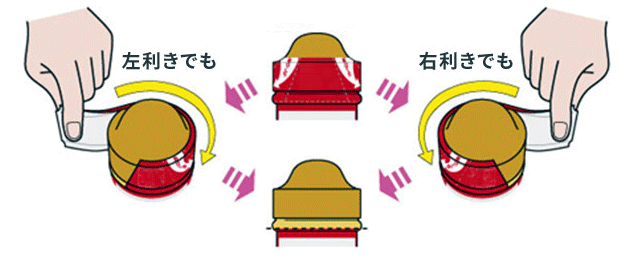
Easy-open shrink wrap that can be opened from either the left or right.
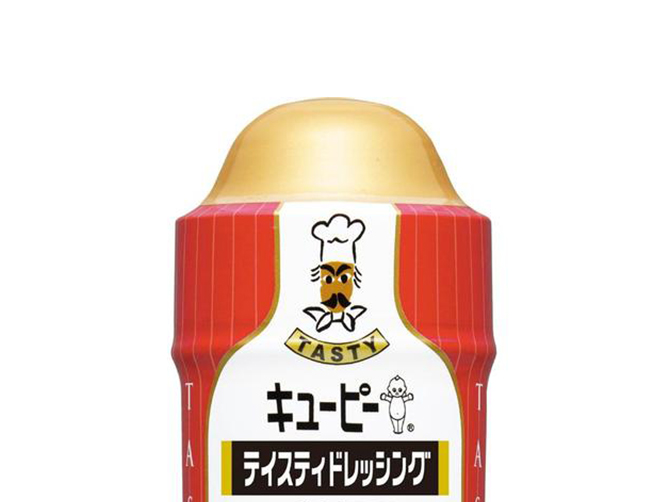
The shrink wrap (film) on the cap of the dressing bottle can be opened in a single motion, regardless of whether you are right-handed or left-handed. Furthermore, perforations have been added from top to bottom to the shrink wrap, making it easier to peel off for recycling.
Polyhedron Design
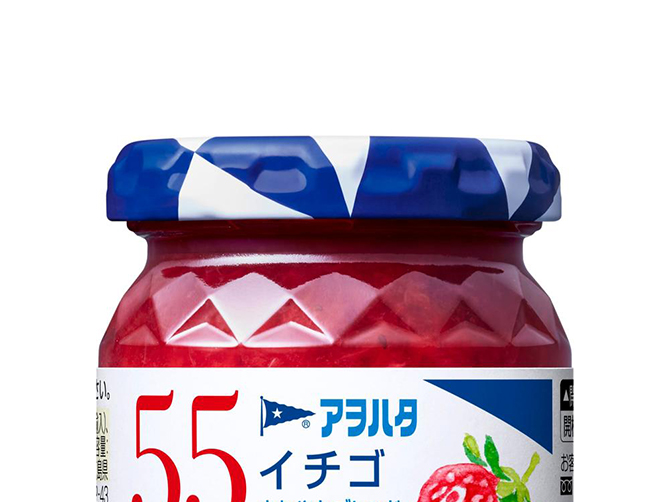
By making the top of the bottle a polyhedron, we achieved an easy grip and easy opening.
PAKITTE
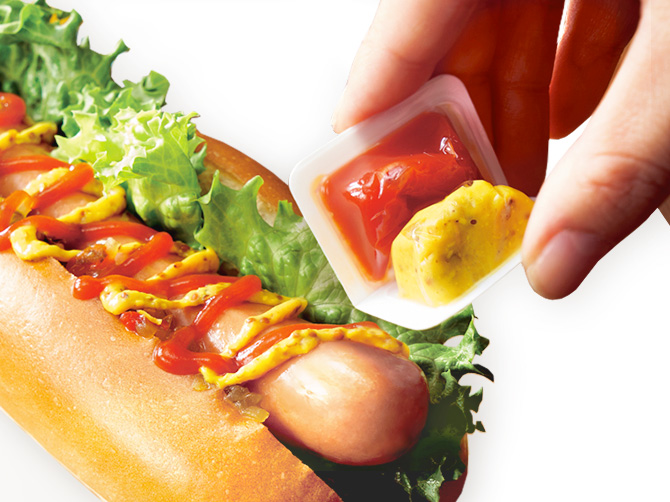
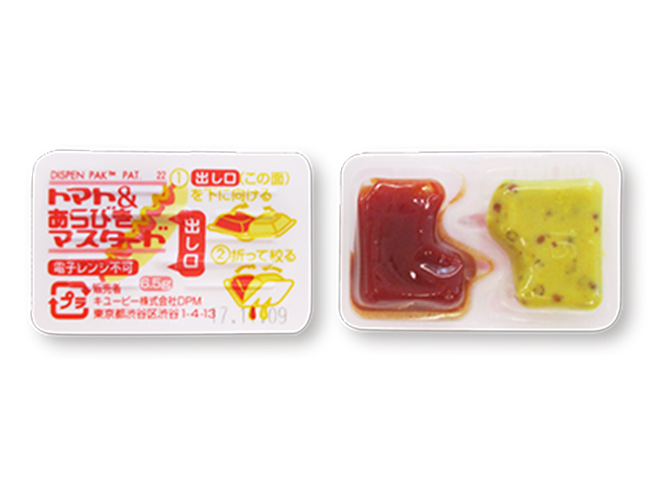
"PAKITTE," a portion dispenser that can be quickly dispensed with one hand.
"PAKITTE" is a container that can be easily opened with one hand, and unlike conventional bags and cups, it allows you to completely squeeze out the contents without getting your hands dirty. Invented in the United States in 1983, Dispen Pak Japan Co., Inc., a group company of Kewpie, successfully developed the technology and commercialized the product in 1987, ahead of the rest of the world. The lineup has been expanded to include various designs for different eating occasions, such as innovative dispensing spouts. Currently, it is widely used in the ready ready-made foods and restaurants industries, as well as in homes and school lunches.
Easy-to-Understand Features
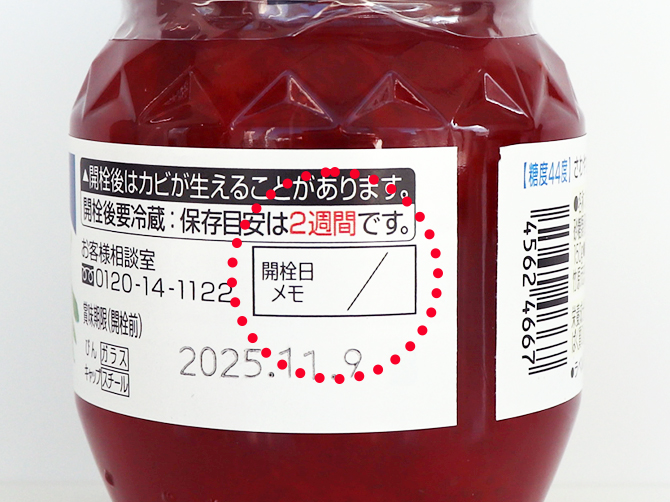
Note on the Date of Opening
A "Opening Date Memo" to record the date the bottle was opened.
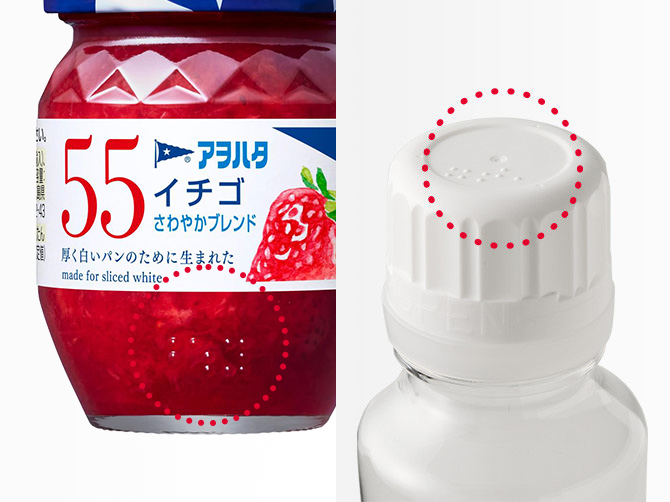
Braille Display
We've added Braille to the words "Aohata Corporation," "Jam," and "Dore" to make it easier for more customers to identify the product.
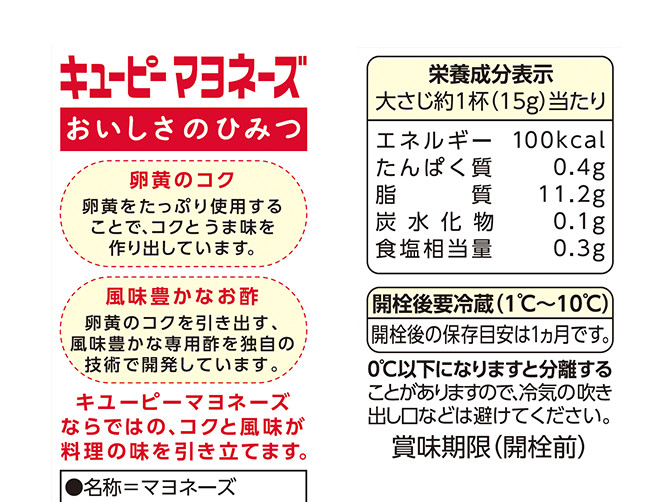
Large Letters
The text is larger, making it easy to read and understand at a glance.
Universal Design Food
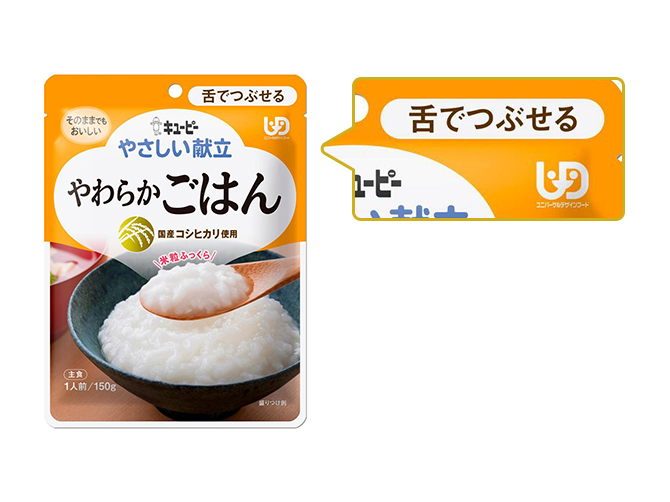
With the desire to provide delicious meals that are easy for everyone to eat, Kewpie has developed a variety of products. We support the realization of a rich food lifestyle that allows people to enjoy food for a lifetime.
"Yasashii Kondate" is a universally designed food created with ease of eating in mind. It offers four levels of softness to choose from, tailored to the chewing and swallowing abilities of the eater, as well as thickening agents.
About Universal Design Foods

Universal Design Food (UDF) is a type of food designed for ease of consumption, suitable for a wide range of uses, from everyday meals to meals for the elderly and those requiring special care. Established in 2002, the Japan Care Food Conference (with 97 member companies as of March 2026) categorizes UDF into four levels of softness (based on chewing and swallowing ability) and thickening agents, making it easier for consumers to understand. Products in each category use the Universal Design Food logo.
| Classification | Easy to chew | Can be crushed with the gums | Can be crushed with the tongue | No need to chew. |
|---|---|---|---|---|
| Guideline for chewing force | Hard or large foods are somewhat difficult to eat. | Hard or large foods are difficult to eat. | If it's finely chopped and soft, it's edible. | Even small pieces of solid food can be difficult to eat. |
| Guide to swallowing ability | It can be swallowed normally. | Some foods can be difficult to swallow. | Sometimes it's difficult to swallow water or tea. | Difficulty swallowing water or tea |
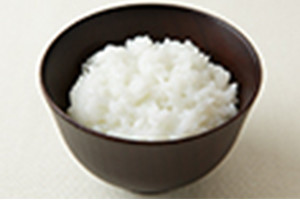
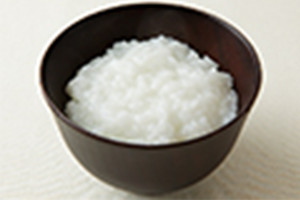
| Guide to firmness (Example of rice preparation) |
rice |
Soft rice |
Full porridge |
Paste porridge |
|
|
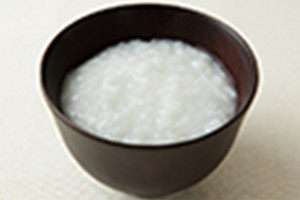
|
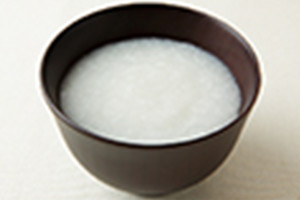
|
|
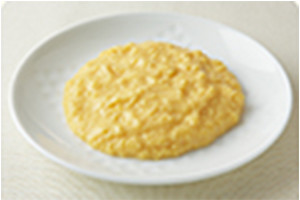
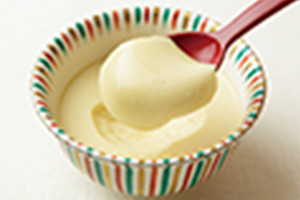
| Guide to firmness (Examples of egg preparations) |
Thick omelet |
Rolled omelet |
Scrambled eggs |
Soft steamed egg custard (without ingredients) |
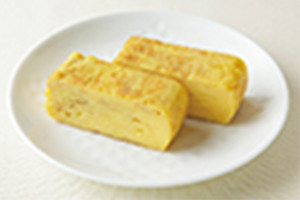
|
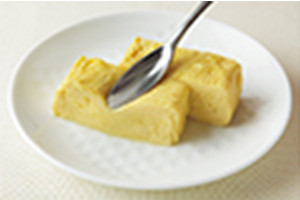
|
|
|